Exosome RNA Exosome RNA Research & Industry News

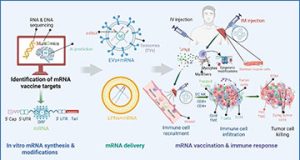
Researchers from the Baker Heart and Diabetes Institute have explored how extracellular vesicles (EVs), small, membrane-bound particles released by cells, are transforming cancer research and treatment. Among these, exosomes are particularly well-studied because of their ability to carry important biological molecules such as RNA, DNA, proteins, and lipids between cells. These tiny messengers enable cells to communicate, influencing processes such as tumor growth, metastasis, and immune system responses.
In cancer, EVs released by tumor cells, often referred to as onco-EVs, play powerful roles in disease progression. They can help cancer spread to distant organs, prepare new sites for tumor growth, and even alter immune activity to favor tumor survival. But these same properties also make EVs promising tools for medicine. Because they can travel through the bloodstream and protect fragile molecules from degradation, EVs are being explored as natural carriers for targeted drug delivery, cancer vaccines, and immunotherapies.
Onco-extracellular vesicles as diagnostic and therapeutic targets

Primary tumor cells release extracellular vesicles (EVs) that reprogram nearby cells—including fibroblasts, endothelial cells, and immune cells—to promote cancer growth and spread. These EVs help reshape the tumor microenvironment, stimulating new blood vessel formation, modifying immune responses, and supporting tumor expansion. As cancer progresses, EVs themselves change in composition, gaining new abilities to remodel tissues and enhance malignancy. They can enter the bloodstream or lymphatic system, carrying specific surface proteins that guide them to target organs such as the lungs or liver, where they alter tissue structure and make it easier for cancer cells to establish new tumors. This process, known as pre-metastatic niche formation, involves EVs preparing distant tissues for future metastasis by recruiting bone marrow–derived cells and reprogramming local stromal cells to create a favorable environment for cancer growth.
EVs are also attracting attention as biomarkers for early cancer detection and treatment monitoring. Since they are present in nearly all biological fluids, including blood, saliva, and urine, they can offer a non-invasive way to track disease progression and treatment response. Advances in single-EV detection, multi-omic analysis, and artificial intelligence are now accelerating their development from laboratory research into clinical applications.
By combining high-resolution molecular profiling with AI-driven data analysis, scientists are beginning to unlock how EVs can both reveal the hidden biology of cancer and serve as customizable therapeutic tools. As these technologies mature, EVs may soon help clinicians not only detect cancer earlier but also design more effective, personalized treatment strategies.