Exosome RNA Exosome RNA Research & Industry News

Messenger RNA (mRNA) medicines and vaccines have rapidly entered the spotlight in recent years, especially after the widespread success of COVID-19 mRNA vaccines. These therapies work by delivering instructions to cells that tell them how to make specific proteins that fight disease or trigger an immune response. Their potential is enormous, but their clinical success relies heavily on getting the mRNA safely and efficiently into the right cells inside the body.
Currently, most mRNA medicines use engineered particles, like lipid nanoparticles, to carry mRNA into cells. While these have worked well, especially in vaccines, they still face limitations. These include triggering immune reactions, unwanted buildup in the liver, challenges getting mRNA out of cellular compartments, low availability in certain tissues, weak immune responses at mucosal surfaces, and the need for very cold storage conditions.

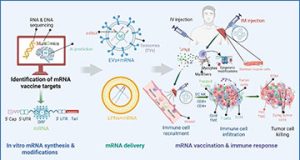
Extracellular vesicles possess low immunogenicity and natural RNA-carrying ability, enabling stable cellular uptake and supporting effective mRNA expression. These features illustrate their promise in addressing current delivery barriers and in advancing the development of safe, efficient, and clinically translatable mRNA therapeutics and vaccines for future biomedical applications across diverse diseases.
Researchers are exploring a naturally occurring alternative: extracellular vesicles (EVs). EVs are tiny, cell-derived particles that shuttle biological messages between cells. Because they are made by the body itself, EVs tend to be well tolerated by the immune system and are inherently designed to carry RNA and other cargo into cells. They also have the ability to target specific tissues and navigate the complex biological barriers that often block synthetic delivery systems.Researchers at the Beijing Institute of Technology outline how EVs could overcome many of the hurdles faced by current mRNA delivery technologies. They explain how EVs are formed inside cells, what they are made of, and how they naturally enter recipient cells. They also discuss cutting-edge methods for packaging mRNAs into EVs, including strategies to load large therapeutic mRNAs efficiently and protect them until they reach their target.EV-based mRNA delivery could offer several important advantages, such as reduced immune side effects, improved tissue targeting, and better performance at mucosal surfaces like the lungs or gut. That could make them useful not only for vaccines, but also for treatments of genetic diseases, cancer, and other conditions where sustained or tissue-specific expression of therapeutic proteins is needed.At the same time, the researchers highlight challenges that must be addressed before EV-based mRNA therapies can reach the clinic. These include scaling up production, ensuring consistent quality, and fully understanding how EVs behave in the body after administration.
By providing a comprehensive look at both the promise and the obstacles of EV-based platforms, these researchers offer valuable insights for scientists designing the next generation of mRNA medicines and vaccines. Harnessing the natural strengths of extracellular vesicles could lead to safer, more effective, and more versatile therapeutic options for a wide range of diseases.