 Exosome RNA Exosome RNA Research & Industry News

Inflammatory bowel disease (IBD) is a chronic condition where the gut becomes inflamed, often leading to pain, diarrhea, and other digestive problems. A key issue in IBD is that inflammation damages the gut lining, allowing oxygen to leak into the normally low-oxygen (anaerobic) environment of the intestines. This oxygen leak disrupts the balance of gut bacteria, giving an edge to harmful bacteria like E. coli, which can worsen inflammation.
Recently, researchers at Northeastern University found that tiny bubbles released by E. coli—called membrane vesicles (MVs)—might actually help calm inflammation instead of making it worse. These MVs are small packages that bacteria naturally release, and in this case, they appear to carry components that help restore the gut’s healthy, oxygen-free conditions.
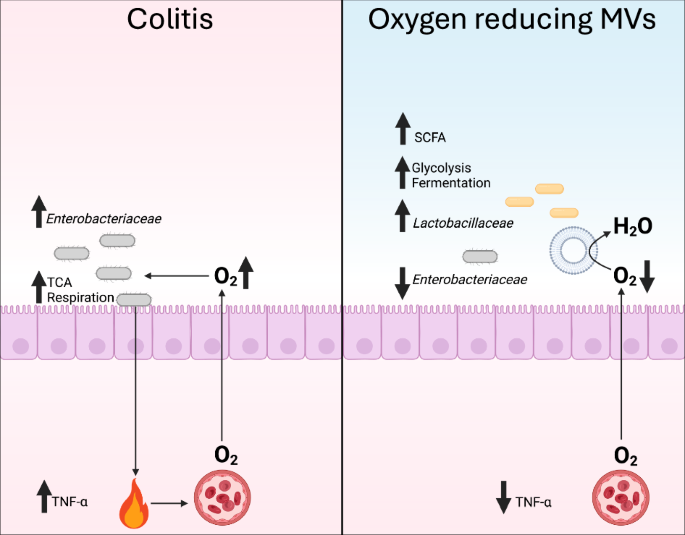
When the researchers gave these MVs to mice with inflamed colons, the animals lost less weight and their colons didn’t shrink as much—both signs of improved health. Even more interesting, the oxygen levels in the gut lining dropped, but only when the MVs came from normal E. coli and not from a mutant version lacking key enzymes used in respiration.
The MVs also shifted the balance of gut microbes. In MV-treated mice, beneficial anaerobic bacteria like Lactobacillaceae increased, while inflammation-linked groups like Enterobacteriaceae decreased. On top of that, levels of TNF-α, a molecule that promotes inflammation, were lower.
This study suggests that bacterial extracellular vesicles might be developed into a new type of treatment for gut diseases like IBD by helping to restore a healthy microbial balance and reduce inflammation—without needing to kill off bacteria with antibiotics.


