Exosome RNA Exosome RNA Research & Industry News

Researchers are diving deep into the role of extracellular vesicles (EVs), tiny packages released by cells, to better understand how cancer develops and spreads. According to researchers from The University of Texas MD Anderson Cancer Center, these vesicles act like miniature couriers, transferring biomolecules between cells in the tumor microenvironment. This cell-to-cell messaging helps tumors grow, resist treatment, and even spread to other parts of the body.

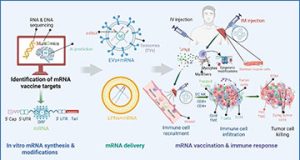
What makes EVs so exciting is that they not only reflect what’s happening inside cancer cells but can also be engineered to deliver treatments directly to tumors. Because they are naturally produced by the body, EVs are biocompatible and less likely to trigger unwanted immune responses compared to synthetic drug carriers. Scientists are now exploring how both natural and bioengineered EVs can be used to diagnose cancer earlier, monitor its progression, and deliver targeted therapies more effectively.
The researchers provide a helpful overview of the current science behind EVs in cancer, from how they function in disease progression to how they might be used in future therapies. It’s a promising step toward using what the body already makes to fight back against one of its toughest enemies.