 Exosome RNA Exosome RNA Research & Industry News

Acute pancreatitis is a serious condition where the pancreas becomes inflamed, often leading to pain, tissue damage, and long term complications such as diabetes. One of the major challenges in treating this condition is the lack of targeted therapies that can reduce inflammation and protect pancreatic function over time.
Researchers at the University of Valencia explored a novel approach using pomegranate-derived nanovesicles. These tiny particles are similar to extracellular vesicles, which are naturally released by cells and carry bioactive molecules such as proteins, lipids, and metabolites. Because of this, they can influence how cells respond to stress and injury.
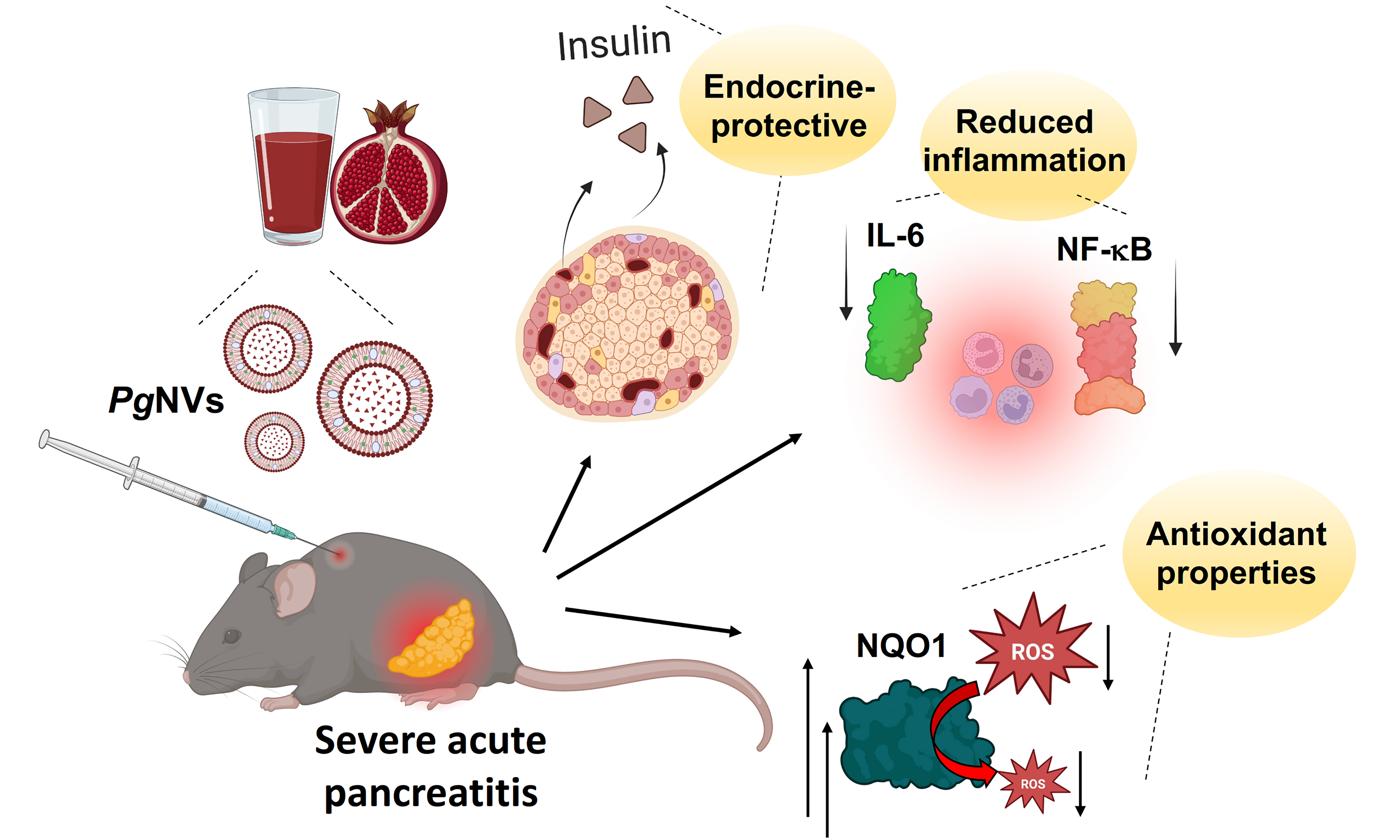
In a mouse model of severe acute pancreatitis, the team administered these nanovesicles before inducing pancreatic damage. The results showed that the treatment helped preserve the structure of the pancreas and reduced key markers of inflammation, including interleukin 6. The nanovesicles also appeared to reduce oxidative stress, which is a major driver of tissue damage in many inflammatory diseases.
Importantly, the treatment protected insulin-producing beta cells in the pancreas. This led to improved insulin secretion and better control of blood glucose levels over time. These findings suggest that nanovesicles may help prevent long term complications such as pancreatogenic diabetes, which can occur after severe pancreatic injury.
The researchers also found that the composition of extracellular vesicles in the body changed following treatment. Levels of pro-inflammatory molecules were reduced, while protective factors were restored. This indicates that the therapy may work not only by directly protecting cells but also by reshaping the broader signaling environment in the body.
Overall, this work highlights the potential of plant-derived nanovesicles as a natural therapeutic strategy. By reducing inflammation, limiting oxidative damage, and preserving endocrine function, these vesicles could offer a new way to manage acute pancreatitis and its long term effects.


